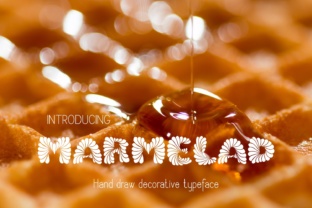
Marmelad Font: A Handcrafted Typeface for Makers and Designers
There’s something special about a font that feels like it was made with care—like the artist took their time, not just to design letters, but to bring personality into every curve. That’s exactly what I felt when I first saw Marmelad, a beautifully crafted decorative font that adds warmth and charm to any project. As someone who spends a lot of time designing labels for handmade candles, creating greeting cards, and preparing seasonal printables, I’ve come to appreciate how much the right typeface can elevate your work.
How I Discovered Marmelad
I was recently working on a new line of soy candles with lavender and citrus scents, perfect for springtime. The candle jars were ready, and I had the labels cut out in SVG format for my Cricut machine. But the text still didn’t feel quite right. I wanted something that screamed “handmade” without being too fussy or hard to read. That’s when I stumbled across Marmelad. It was love at first sight—or rather, love at first letterform.
The font has a soft, organic flow with subtle variations in stroke weight. It’s clearly hand-drawn, which gives it that artisanal feel that customers look for in unique products. Yet, despite its delicate nature, Marmelad holds up well in print, especially when used for short phrases or product names. I paired it with a muted sage green label and watched as it transformed my simple candle packaging into something that looked boutique-ready.
Bringing Marmelad to Life in My Shop
Since discovering Marmelad, I’ve started using it in multiple parts of my creative process. Here are some of the ways I’ve seen it shine:
- Candle Labels: The gentle curves and elegant lines of Marmelad make it ideal for small, printed labels. Whether you're going for a rustic vibe or something more whimsical, this font adds a touch of class.
- Greeting Cards & Invitations: For birthdays and holidays, I use Marmelad as the main title on greeting cards. Its decorative flair makes each card feel personal and heartfelt.
- Wedding Stationery: On a recent wedding invitation set, I used Marmelad for the couple’s names and the event title. Paired with a clean sans serif font for body copy, it created a balanced yet romantic layout.
- Printable Wall Art: One of my favorite digital downloads is a set of botanical prints. Adding Marmelad as the heading brought a sense of charm and authenticity to the designs.
- Boutique Packaging: From gift tags to tissue paper wraps, Marmelad helps me create cohesive brand elements that stand out in a customer’s basket.
- Seasonal Craft Designs: When designing holiday-themed stickers or signage, Marmelad gives that festive yet refined edge that’s so popular around the holidays.
Why Choose Marmelad for Your Creations?
Handmade businesses thrive on visual storytelling, and fonts are one of the most powerful tools in that narrative. Marmelad isn’t just another decorative font—it’s a statement. It conveys thoughtfulness, creativity, and a connection to the craft behind your products.
As a designer, I know that typography affects how your audience perceives your brand. A premium font like Marmelad can subtly communicate quality and attention to detail. Even if your product is affordable, the right font can make it feel like something worth savoring.
Marmelad in Action: Real-World Examples
Let’s talk about how Marmelad works in practice. I recently created a set of planner pages for a client who wanted a vintage-inspired aesthetic. I used Marmelad for headings like “Monthly Goals,” “Weekly Highlights,” and “Notes.” The font added an old-world elegance that matched the sepia-toned illustrations and distressed textures I was using. It wasn’t overpowering, but it definitely pulled everything together into a unified theme.
Another time, I was testing out a batch of vinyl stickers for a local boutique. The shop owner wanted something that felt both modern and cozy. Marmelad fit the bill perfectly. It worked great on small stickers—like those for fabric tags—and also looked stunning on larger signage for window displays. Just be sure to check the included styles and alternates to get the best match for your layout.
Design Tips for Using Marmelad Effectively
Because Marmelad is a decorative typeface, it’s best suited for display use rather than large blocks of text. Here’s how I approach using it in different formats:
- Short Phrases: Use Marmelad for product names, taglines, or titles. Its charm really comes through when it’s the focal point.
- Font Pairing: To keep things readable, I often pair Marmelad with a clean sans serif or a minimalist serif font. This contrast ensures the decorative style stands out while the supporting text remains easy to scan.
- Readability on Small Surfaces: If you’re using it on small stickers or labels, opt for slightly larger sizes and avoid overusing ligatures or swashes in tight spaces.
- Mockup Previews: When showcasing your designs online, I always test Marmelad in various mockups—from tote bags to mug designs—to ensure it looks good from all angles and under different lighting conditions.
- Commercial Licensing: Before selling any physical merchandise or digital templates that include Marmelad, double-check the commercial licensing terms. You want to protect your business and respect the creator’s rights.
Creating Brand Consistency with Marmelad
One of the biggest challenges for handmade sellers is maintaining a consistent brand identity across all platforms. Marmelad has helped me do just that. I now use it in my logo, on product tags, in social media graphics, and even in email headers. It’s become a signature element of my brand’s voice.
When customers see that same familiar handwriting-style font on a label, they immediately recognize the style. It builds trust and familiarity, which is crucial for repeat buyers and word-of-mouth referrals.
I’ve also found that using Marmelad in editorial design—like packaging inserts or blog posts—helps maintain a warm, inviting tone. It’s not just about looking pretty; it’s about connecting with your audience on a more personal level.
Emotional Appeal Through Typography
Fonts have the power to evoke emotion. Marmelad, with its carefully drawn characters and natural rhythm, feels like a handwritten note from a friend. That kind of emotional appeal is invaluable when selling anything from greeting cards to farmhouse-style signs.
In my experience, customers respond well to typefaces that reflect the story behind the product. Whether it’s a personalized birthday card or a custom sign for a coffee shop, Marmelad adds a layer of authenticity that mass-produced fonts simply can’t replicate.
Exploring Marmelad’s Versatility
What I love most about Marmelad is how versatile it is. It works equally well in digital printables and physical merchandise. Here are a few of the formats I’ve tested it in:
- SVG for cutting machines: The file formats included with Marmelad are optimized for use in Adobe Illustrator, Cricut, Silhouette, and other design software. I’ve used it for sticker sheets, heat transfers, and even embroidered patches.
- Printed Merchandise: T-shirts, mugs, and tote bags benefit from bold, expressive fonts. Marmelad fits the bill when you want something eye-catching but still legible.
- Signage: Whether it’s a wooden welcome board or a painted canvas sign, Marmelad brings a sense of character and charm that’s perfect for home décor and small business branding.
- Editorial Design: In digital templates like planners, calendars, and worksheets, Marmelad adds a creative spark. Just be mindful of spacing and alignment to keep it from feeling cluttered.
It’s also worth noting that Marmelad supports multiple languages, which is a bonus if you ever plan to expand your shop internationally or offer bilingual items. I’ve used it in French and Spanish greeting cards, and it handled accents and special characters without issue.
Making the Most of Marmelad in Your Projects
Here’s a quick guide to help you integrate Marmelad into your workflow effectively:
- Use it sparingly: Decorative fonts like Marmelad are best used as accents. Too much can overwhelm a design.
- Test it in real size: Always preview how Marmelad looks at the final scale before printing. Sometimes what looks great on screen doesn’t translate well to small stickers or tags.
- Experiment with colors: Try pairing Marmelad with earthy tones, pastels, or metallic finishes to highlight its elegance.
- Combine with texture: Add watercolor backgrounds, linen textures, or wood grain to enhance the handcrafted vibe of the font.
- Stay within licensing guidelines: Make sure you understand whether Marmelad allows for web use, app integration, or commercial resale of digital assets.
Final Thoughts (No, Not Really)
Working with Marmelad has been a joy. It’s a font that feels alive—each character has its own little quirks and flourishes, making every design feel unique. Whether you’re crafting a seasonal printable, designing a boutique tag, or prepping a new product line, Marmelad offers the perfect blend of artistry and usability.
If you’re looking for a decorative font that bridges the gap between whimsy and professionalism, give Marmelad a try. Let it tell your story, add a bit of soul to your creations, and help your handmade or digital goods stand out in a sea of sameness.
After all, in the world of handmade and creative products, it’s the details that matter—and sometimes, the right font can be the difference between a good design and a great one.